What Cold Storage Construction Can Learn from a Research Station in Antarctica
Specialized Environments Require Specialized Construction
A newly opened research facility in Antarctica offers an interesting lesson for anyone involved in cold storage, food processing, or temperature-controlled construction.
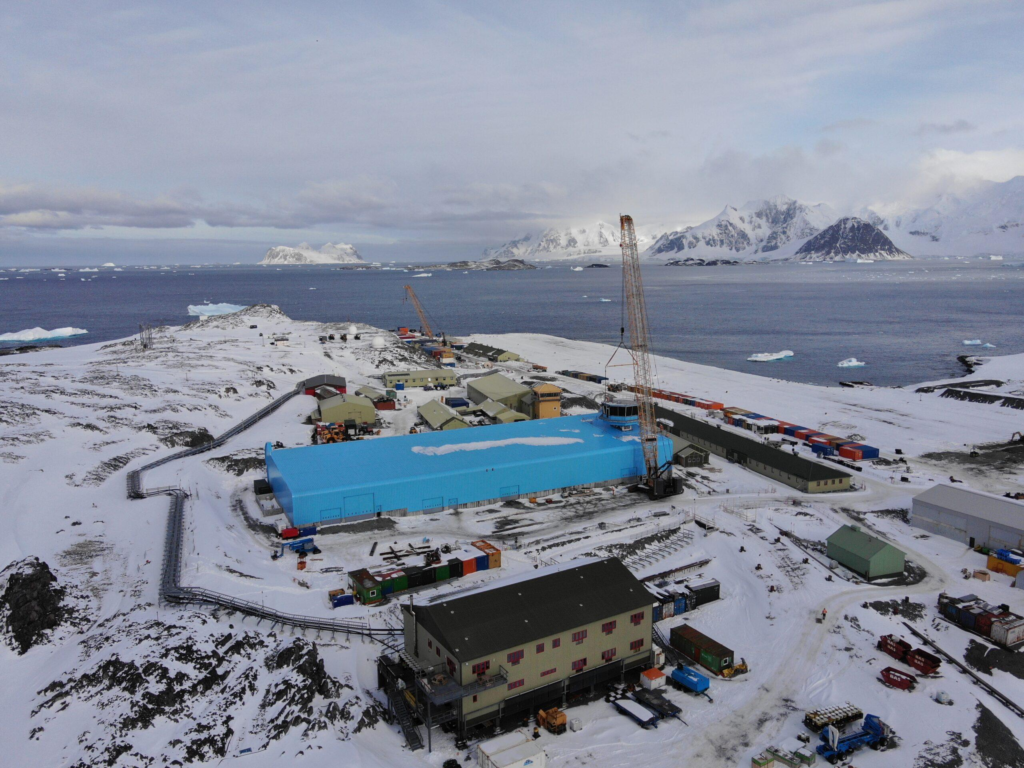
The Discovery Building, located on the Antarctic Peninsula, was designed for one of the most challenging environments in the world. Construction teams faced extreme weather, limited construction seasons, difficult logistics, and significant environmental challenges.
The solution was not simply to construct a conventional building and add equipment capable of handling the cold.
The building itself had to be designed around its environment.
The project incorporated modularization, standardization, and prefabrication to accommodate Antarctica’s short construction seasons. The building was also positioned around prevailing winds and included a full-scale wind deflector designed to reduce snow accumulation around the structure.
While most cold storage and food processing facilities will never face Antarctic conditions, the project demonstrates an important principle:
Successful specialized construction begins with understanding how the building will actually operate.
Cold Storage Facilities Are More Than Refrigerated Buildings
One of the biggest misconceptions about cold storage construction is that a conventional warehouse can simply be insulated, refrigerated, and transformed into a successful temperature-controlled facility.
The reality is much more complicated.
Cold storage and food processing facilities must be designed around factors such as:
- Interior and exterior temperature differences
- Moisture migration
- Condensation
- Refrigeration requirements
- Product movement
- Shipping and receiving operations
- Sanitation requirements
- Energy consumption
- Equipment access and maintenance
Just as the Antarctic research facility was designed around wind, snow, construction logistics, and environmental conditions, a cold storage facility must be designed around the unique challenges of temperature-controlled operations.
Designing Around the Environment
Every facility operates within a specific environment.
Climate conditions can have a significant impact on cold storage performance.
Hot and humid summer conditions create different challenges than cold winter environments. Changes in outdoor temperature and humidity can impact refrigeration loads, condensation risks, building pressure, and energy consumption.
A successful temperature-controlled facility should consider:
- Local weather conditions
- Temperature extremes
- Humidity levels
- Solar exposure
- Building orientation
- Shipping dock exposure
- Prevailing winds
These factors can influence everything from the building envelope to refrigeration system performance.
The lesson is simple: the environment surrounding the building matters.
The Importance of the Building Envelope
In temperature-controlled construction, the building envelope is one of the most important components of the entire facility.
Insulated metal panel systems, vapor barriers, doors, roofing systems, and penetrations must work together to create a continuous thermal and moisture barrier.
Problems can develop when these systems are treated as separate components rather than parts of an integrated building.
Poorly designed or installed building envelopes can contribute to:
- Condensation
- Ice formation
- Increased refrigeration loads
- Energy loss
- Moisture damage
- Product quality concerns
Successful cold storage construction requires careful coordination between the building structure, insulation systems, refrigeration equipment, and operational requirements.
Prefabrication and Planning Can Improve Construction
Another important aspect of the Antarctic project was its use of modularization, standardization, and prefabrication.
These construction methods helped the project team work within limited construction seasons and challenging logistical conditions.
The same principles can provide benefits for cold storage and food processing projects.
Proper planning and prefabrication can help:
- Reduce construction schedules
- Improve installation quality
- Minimize jobsite disruptions
- Improve coordination between trades
- Reduce material waste
- Support facility expansions and renovations
This can be especially valuable when construction occurs inside an active food processing or refrigerated facility.
Every additional day of construction can impact production schedules and facility operations.
Designing Around Facility Operations
A specialized building should support the people and processes operating inside it.
For cold storage and food processing facilities, this means understanding how products, employees, equipment, and vehicles move throughout the building.
Important questions include:
Where do products enter the facility?
How long do products remain in staging areas?
How frequently do shipping doors open?
Where are the highest sanitation risks?
How will refrigeration equipment be serviced?
Can employees move efficiently between production areas?
How will future expansion impact existing operations?
These questions should be considered during planning and design—not after construction begins.
Resiliency Means Preparing for Real-World Conditions
The Antarctic facility was designed around conditions the building would face throughout its operating life.
Cold storage facilities should be approached the same way.
Resiliency in temperature-controlled construction means understanding what happens when conditions are not perfect.
What happens during a refrigeration failure?
How quickly will facility temperatures change?
What happens when a dock door remains open longer than expected?
How does the facility respond to extreme outdoor temperatures?
Can operators identify equipment problems before product is affected?
Are critical systems monitored?
These questions help facility owners move beyond simply constructing a building and begin thinking about long-term operational reliability.
Controls and Monitoring Are Part of the Facility
Modern temperature-controlled facilities generate enormous amounts of operational information.
Temperature sensors, refrigeration controls, building automation systems, alarms, and equipment monitoring systems can help operators understand how their facilities are performing.
When properly designed and coordinated, these systems can provide insight into:
- Space temperatures
- Refrigeration performance
- Equipment operation
- Energy consumption
- Alarm conditions
- Potential maintenance issues
Technology cannot correct poor construction or improper system design, but it can provide facility operators with valuable information needed to manage complex environments.
Why Specialized Construction Experience Matters
The Discovery Building in Antarctica demonstrates what happens when a facility is designed specifically for its environment and mission.
The same principle applies to cold storage and food processing construction.
Successful projects require an understanding of how multiple systems interact.
Insulated metal panels affect refrigeration loads.
Shipping docks affect temperature stability.
Temperature differences affect moisture migration.
Facility layouts affect food safety and productivity.
Controls affect how operators understand and manage their buildings.
None of these systems operates independently.
How This Applies to Thermal Fox
At Thermal Fox, our focus is on understanding the complete facility rather than looking at individual construction components in isolation.
Cold storage, food processing, refrigeration, controls, insulated metal panels, shipping docks, and industrial construction must work together to support the operation.
Whether the project involves new construction, an expansion, or converting an existing building into a temperature-controlled facility, the goal should be the same:
Understand the environment. Understand the operation. Understand the risks. Then build the facility around them.
That approach can help improve reliability, reduce operational challenges, and create facilities designed for long-term performance.
Conclusion
Most facilities will never experience the extreme conditions found in Antarctica.
But the lesson behind the Discovery Building applies to specialized construction everywhere.
Buildings perform best when they are designed around their environment, their operations, and the challenges they will face throughout their service life.
For cold storage and food processing facilities, that means looking beyond refrigeration equipment or insulated walls.
It means understanding how construction, refrigeration, controls, moisture management, food safety, logistics, and facility operations work together.
The most successful temperature-controlled facilities are not simply buildings that stay cold.
They are complete systems designed to perform.
John Rinaldo
Cold Storage & Food Processing Construction Specialist
Planning a Cold Storage or Food Processing Project?
Thermal Fox specializes in cold storage construction, food processing facilities, refrigeration coordination, controls, and industrial construction.
Let’s discuss your project.
Complete the contact form below and a member of our team will reach out to learn more about your facility, expansion, or renovation needs.