
The Importance of Insulated Metal Panel Systems in Cold Storage Construction
Why IMP Systems Are Critical for Temperature-Controlled Facilities
When it comes to cold storage construction and food processing facilities, few building components are as important as the insulated metal panel (IMP) system. While refrigeration equipment often receives the most attention, the building envelope itself plays a critical role in maintaining temperature, reducing energy costs, ensuring food safety, and protecting long-term operational performance.
Insulated metal panel systems have become the industry standard for cold storage warehouses, refrigerated distribution centers, food processing plants, pharmaceutical facilities, and other temperature-controlled environments because they provide superior thermal performance and durability compared to traditional construction methods.
What Are Insulated Metal Panels?
Insulated metal panels are factory-manufactured building panels consisting of two metal skins bonded to a rigid foam insulation core. These panels create a highly efficient thermal barrier while serving as both the interior and exterior wall or ceiling system.
The most common insulation cores include:
- Polyisocyanurate (Polyiso)
- Polyurethane (PUR)
- Mineral Wool (for specialized fire-rated applications)
Because they are manufactured under controlled conditions, IMP systems offer consistent quality, insulation value, and air-tight performance.
Superior Thermal Performance
One of the primary reasons IMP systems are used in cold storage construction is their ability to maintain stable temperatures.
Cold storage facilities must operate continuously while minimizing heat transfer between interior and exterior environments. Even small temperature fluctuations can impact product quality, food safety, and energy consumption.
Benefits include:
- High R-values for maximum insulation performance
- Reduced thermal bridging
- Consistent temperature control
- Lower refrigeration loads
- Improved freezer and cooler efficiency
The better the building envelope performs, the less strain is placed on refrigeration systems.
Energy Efficiency and Cost Savings
Energy is one of the largest operating expenses in any refrigerated facility.
Poor insulation can force refrigeration equipment to work harder, increasing utility costs and shortening equipment life.
Properly designed IMP systems help:
- Reduce refrigeration energy consumption
- Lower utility costs
- Improve sustainability goals
- Extend refrigeration equipment life
- Decrease maintenance expenses
Over the life of a facility, these savings can be substantial.
Moisture Control and Condensation Prevention
Moisture is one of the biggest challenges in temperature-controlled environments.
When warm air meets cold surfaces, condensation can occur. Over time, uncontrolled moisture can lead to:
- Mold growth
- Product contamination
- Structural deterioration
- Ice buildup
- Safety hazards
Insulated metal panels provide a tightly sealed building envelope that helps control air infiltration and reduce condensation risks.
Proper panel detailing, vapor barriers, sealants, and installation practices are essential to achieving long-term moisture control.
Food Safety Benefits
For food processing and cold storage facilities, maintaining sanitary conditions is critical.
Many IMP systems feature smooth, cleanable surfaces that support hygienic operations and regulatory compliance.
Advantages include:
- Easy cleaning and sanitation
- Reduced bacterial harborage points
- Moisture-resistant surfaces
- Compliance with food industry requirements
- Support for HACCP and food safety programs
These characteristics make IMP systems ideal for food manufacturing and processing environments.
Faster Construction Schedules
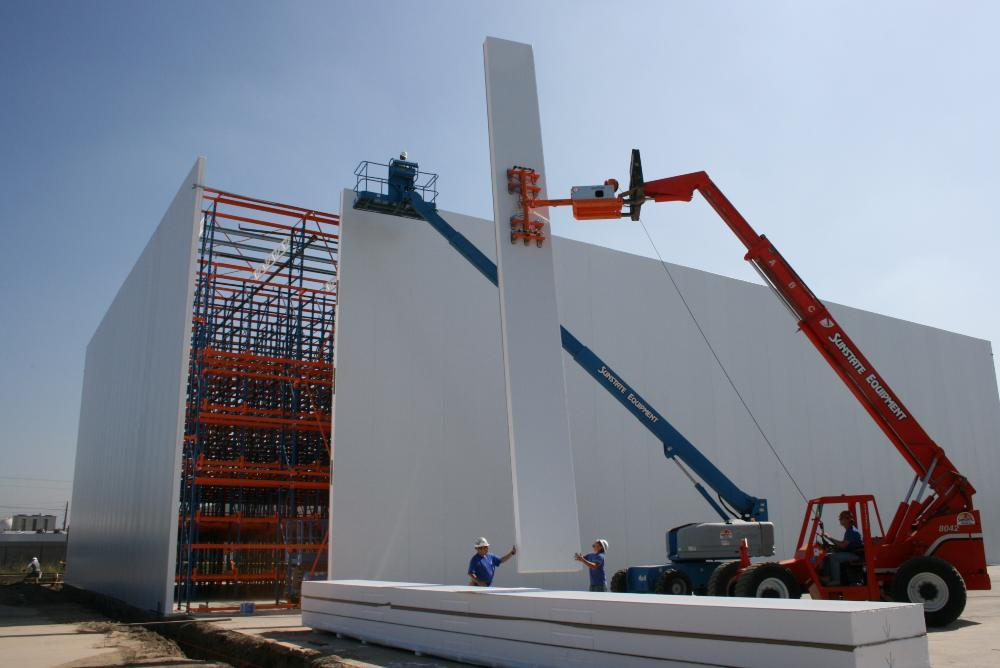
Because insulated metal panels are manufactured off-site, installation can proceed much faster than traditional wall assemblies.
This provides several project advantages:
- Reduced construction schedules
- Lower labor costs
- Improved quality control
- Faster building enclosure
- Earlier refrigeration system startup
For owners looking to bring facilities online quickly, IMP systems can significantly reduce project timelines.
Structural Durability
Cold storage facilities often operate under demanding conditions, including:
- Freezer temperatures
- High humidity environments
- Frequent washdowns
- Forklift traffic
- Heavy operational use
Insulated metal panel systems are designed to withstand these conditions while maintaining structural integrity and thermal performance for decades.
When properly installed and maintained, IMP systems provide long service life with minimal maintenance requirements.
The Importance of Proper Installation
Even the highest-quality panel system can fail if improperly installed.
Successful IMP projects require careful coordination between:
- Structural contractors
- Refrigeration contractors
- Mechanical contractors
- Door suppliers
- Controls contractors
- Facility owners
Critical details include:
- Vapor barrier continuity
- Panel joint sealing
- Thermal break design
- Roof-to-wall transitions
- Door openings
- Refrigeration penetrations
Attention to these details helps prevent future issues such as condensation, ice formation, and energy loss.
Why Experience Matters
Designing and constructing temperature-controlled facilities requires specialized expertise that goes beyond conventional construction.
Every component—from insulated metal panels and refrigeration systems to doors, docks, controls, and floor assemblies—must work together as an integrated system.
An experienced contractor understands how these systems interact and can identify potential challenges before they become costly problems.
Conclusion
Insulated metal panel systems are the backbone of modern cold storage and food processing facilities. They provide the thermal performance, moisture control, energy efficiency, sanitation, and durability required to support successful temperature-controlled operations.
Whether constructing a new refrigerated warehouse, expanding an existing freezer facility, or converting a building for food processing, selecting the right IMP system and installation team can have a significant impact on long-term performance and operating costs.
John Rinaldo
Cold Storage & Food Processing Construction Specialist
Planning a Cold Storage or Food Processing Project?
Thermal Fox specializes in cold storage construction, food processing facilities, refrigeration coordination, controls, and industrial construction.
Let’s discuss your project.
Complete the contact form below and a member of our team will reach out to learn more about your facility, expansion, or renovation needs.
Thermal Fox
Cold Storage Construction | Food Processing | Refrigeration | Controls | Industrial & Commercial Construction