What a Geothermal Synthetic Fuel Facility Can Teach Us About Modern Industrial Construction
The Future of Industrial Construction Is About Integrating Complex Systems
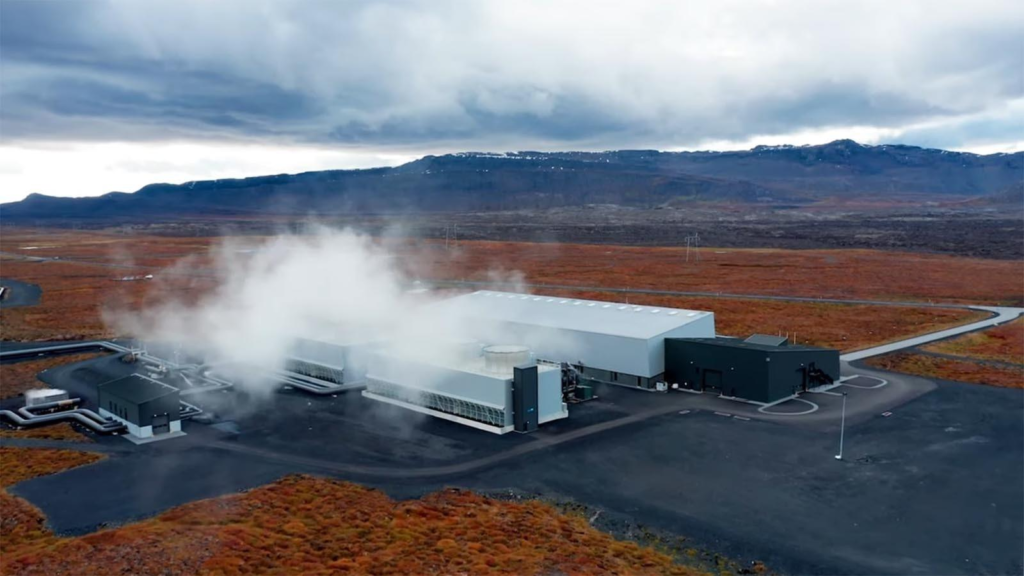
A recently completed synthetic fuel demonstration facility in Iceland provides an interesting look at where modern industrial construction is heading.
Syntholene Energy Corp. announced the completion of a geothermal-integrated Solid Oxide Electrolyzer Cell demonstration facility in Husavik, Iceland. According to the company, construction was completed in just 69 days—six months ahead of the original development schedule and under budget.
The technology behind the project is certainly noteworthy. The facility will test the integration of geothermal heat with high-temperature electrolysis for hydrogen and synthetic fuel production.
However, from a construction perspective, there is another important lesson.
Modern industrial facilities are becoming increasingly complex, and successful projects depend on much more than constructing a building.
They require the integration of specialized equipment, thermal systems, controls, utilities, existing infrastructure, and operational requirements.
That is where this project becomes relevant to companies planning cold storage, food processing, refrigerated distribution, and other specialized industrial facilities.
Using Existing Infrastructure to Reduce Construction Costs
One of the most interesting aspects of the Iceland project was the decision to utilize infrastructure from an existing idle power station.
By incorporating existing infrastructure into the project, the development team was able to reduce early civil construction requirements and capital costs.
This same strategy can apply to many industrial construction projects.
Companies looking to expand cold storage or food processing capacity may not always need to construct an entirely new facility.
Existing warehouses, manufacturing plants, and industrial buildings can sometimes be converted or expanded to support new operations.
However, before moving forward with a facility conversion, several questions must be evaluated.
Can the existing electrical infrastructure support the new equipment?
Does the building structure have sufficient capacity?
Can refrigeration and mechanical systems be properly integrated?
Can the building envelope support temperature-controlled operations?
Are existing utilities adequate for future production requirements?
Understanding the condition and capabilities of existing infrastructure can help owners determine whether renovation, expansion, or new construction provides the best long-term solution.
Industrial Construction Is Becoming More Integrated
The Syntholene demonstration facility required the integration of several complex systems, including heat exchangers, high-temperature electrolysis equipment, water treatment systems, instrumentation, controls, and supporting infrastructure.
Although the technologies may differ, the same fundamental challenge exists in cold storage and food processing construction.
A modern temperature-controlled facility may include:
- Refrigeration systems
- Insulated metal panel systems
- Building automation and controls
- Electrical infrastructure
- Process equipment
- Water treatment systems
- High-speed doors
- Shipping docks
- Temperature monitoring
- Energy management systems
Each system may be designed and installed by a different contractor or equipment manufacturer.
The challenge is making sure everything works together.
Successful industrial construction increasingly depends on coordination between specialized trades rather than treating each system as an independent component.
Thermal Energy Is Becoming More Important
The Iceland project is designed around an interesting concept: using available geothermal heat to reduce the amount of electricity required for the production process.
The broader lesson is that industrial facilities are increasingly looking for ways to better manage thermal energy.
Cold storage and food processing facilities are major energy consumers.
Refrigeration equipment removes heat from buildings and products. Compressors, condensers, evaporators, ventilation systems, and process equipment all contribute to the facility’s overall energy profile.
This creates opportunities to evaluate how energy moves throughout the building.
Could refrigeration heat recovery support another process?
Can improved insulation reduce refrigeration loads?
Can controls optimize equipment operation based on actual facility demand?
Can waste heat be recovered instead of discharged?
Can different building systems operate together more efficiently?
The future of industrial construction will increasingly involve understanding energy as a complete facility system.
Controls and Instrumentation Are Critical
Another important component of the Syntholene facility is the integration of instrumentation and controls.
Advanced industrial processes depend on accurate information.
Operators need to understand what is happening throughout the facility in real time.
The same principle applies to cold storage and food processing operations.
Modern control systems can monitor:
- Space temperatures
- Product storage conditions
- Refrigeration equipment
- Energy consumption
- Humidity
- Equipment alarms
- Door operation
- Mechanical systems
Collecting data is only the beginning.
The greater opportunity is using that information to identify problems, improve performance, and make better operational decisions.
As industrial facilities become more complex, controls and system integration will become increasingly important.
Construction Speed Depends on Planning and Coordination
Completing an advanced industrial facility in 69 days demonstrates the potential impact of careful planning, prefabrication, system coordination, and project management.
Fast construction does not simply mean working faster.
It requires making important decisions before construction begins.
Successful project delivery depends on:
- Clearly defined project scopes
- Early coordination between trades
- Understanding equipment requirements
- Identifying utility needs
- Planning system integration
- Resolving potential conflicts before installation
These principles are especially important in cold storage and food processing construction, where delays can impact production schedules, product storage, and facility operations.
Demonstration Projects Can Shape Future Facilities
The Iceland facility is a demonstration project.
Its purpose is not simply to produce synthetic fuel. It is designed to collect operational data that can be used to improve future commercial projects.
This is another important trend in modern industrial facilities.
Data gathered from actual operations can help companies understand:
- Equipment performance
- Energy consumption
- System efficiency
- Maintenance requirements
- Operational costs
- Opportunities for improvement
The most successful industrial facilities of the future will likely be those that are designed not only to operate efficiently today but also to provide the information needed to improve tomorrow.
What This Means for Cold Storage and Food Processing Facilities
The technology being tested in Iceland may be very different from the systems used inside a refrigerated warehouse or food processing plant.
The construction lessons, however, are remarkably similar.
Modern industrial facilities require specialized systems to operate together.
Existing infrastructure can sometimes be utilized to reduce project costs.
Thermal energy management is becoming increasingly important.
Controls and instrumentation provide valuable operational information.
Early coordination can improve construction schedules.
And operational data can help facilities become more efficient over time.
These principles are directly relevant to companies planning new cold storage facilities, food processing plants, refrigerated distribution centers, and industrial facility conversions.
How This Applies to Thermal Fox
At Thermal Fox, our focus is specialized industrial construction involving cold storage, food processing, refrigeration, controls, and temperature-controlled environments.
Projects like the Syntholene facility demonstrate an important shift occurring throughout industrial construction.
The building itself is only one part of the project.
Long-term success depends on understanding how the building envelope, refrigeration systems, mechanical equipment, controls, utilities, and operations work together.
That integrated approach is increasingly important as industrial facilities become more technologically advanced and energy-conscious.
Whether converting an existing building, expanding a food processing operation, or constructing a new temperature-controlled facility, understanding these relationships early in the project can help reduce construction risks and improve long-term performance.
Conclusion
The completion of a geothermal-integrated synthetic fuel demonstration facility in Iceland represents an exciting development in industrial technology.
But it also provides valuable lessons for the broader construction industry.
The future of industrial construction will increasingly depend on system integration, energy management, controls, efficient use of existing infrastructure, and careful project coordination.
For cold storage and food processing companies, these trends are already shaping how facilities are designed, constructed, and operated.
Understanding these changes can help owners make better decisions when planning the next generation of industrial and temperature-controlled facilities.
John Rinaldo
Cold Storage & Food Processing Construction Specialist
Planning a Cold Storage or Food Processing Project?
Thermal Fox specializes in cold storage construction, food processing facilities, refrigeration coordination, controls, and industrial construction.
Let’s discuss your project.
Complete the contact form below and a member of our team will reach out to learn more about your facility, expansion, or renovation needs.